

 61
61
-
2026胡润中国民营地产超级联赛
(2026年7月17日,上海)提供有质量的榜单与调研的胡润研究院今日发布《胡润中国民营地产超级联赛——中国民营地产省队排行榜暨中国民营地产1000强》。本次研究首次以“超级联赛”的视角,对中国民营地产企业进行系统性排名与战术分析,涵盖中国民营地产1000强榜单、省队综合实力排名、八大豪强省队战术解析,以及行业深度趋势研判。时值2026世界杯年,正如世界杯上各支球队凭借阵容厚度、战术体系与临场应变争夺大力神杯,中国各省市的民营地产企业也在行业深度调整的赛场上,展开一场关于实力、韧性与转型的超级联赛。
2026-07-17
-
2025东亚银行·胡润财富报告
(2026年6月30日,上海)全球权威高净值人群研究机构胡润研究院与东亚银行有限公司今日联合发布《2025东亚银行·胡润财富报告》(BEA · Hurun Wealth Report 2025)。这是胡润研究院连续第17年发布此报告。报告揭示了目前中国财富家庭的数量、地域分布及人群画像。报告公布了中国拥有600万人民币、千万人民币、亿元人民币及3000万美元以上总财富的家庭数量,以及相应的可投资资产家庭数量。此次报告涵盖了包括港澳台地区在内的中国34个省级行政区,共计108个城市,旨在全面揭示中国财富家庭的规模及分布变化。
2026-06-30
-
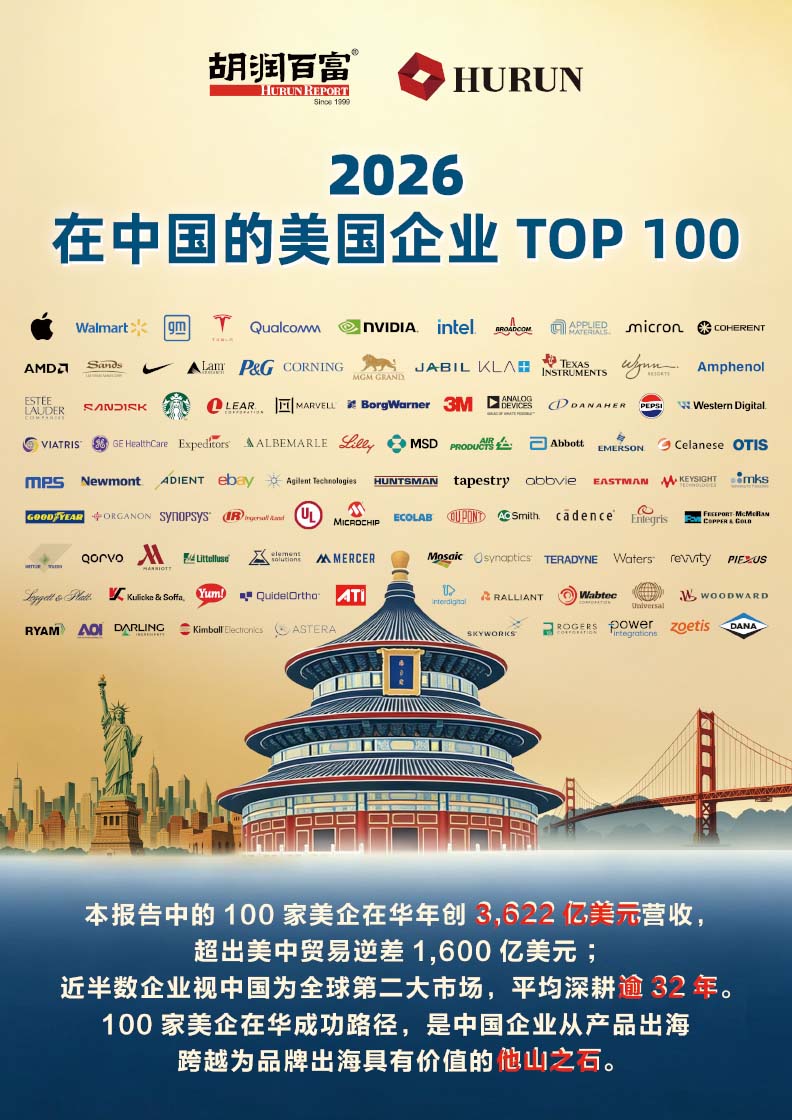
2026在中国的美国企业TOP100
(2026年5月25日,上海)提供有质量的榜单与调研的胡润研究院今日发布《2026胡润在中国的美国企业TOP100》。本报告旨在追踪美国企业在中国市场的表现及其全球营收情况,以此评估中国市场对美国企业的重要性及变化趋势。这是胡润研究院第三次发布美国企业专题报告,也是特朗普总统结束访华行程后,首份系统梳理在华美国企业经营现状与未来预期的独立第三方研究报告。
2026-05-25
-
2026胡润中国地方国资投研实力TOP100
胡润研究院今日发布《2026胡润中国地方国资投研实力TOP100》,这是胡润研究院首次聚焦各城市地方国资股权投资成果打造的榜单,以地方国资参与投资的胡润民营独角兽数量为核心评价指标。
地方国资投研实力 2026-10-10
-
769人次入选胡润智榜卓越法律服务指南
9月20日,胡润智榜正式发布20个领域卓越推荐律师榜单,本次发布涵盖商事争议解决、公司与商事、房地产与建设工程、破产重整与不良资产处置、商业犯罪与刑事辩护、家族财富与传承等20个领域。自3月31日发布首个知识产权领域榜单以来,研究团队持续深入研究,在5月-7月间陆续发布数据保护与网络安全、境内外资本市场、跨境投资与交易等11个领域榜单。全年累计调研9000余位律师,总上榜769人次,覆盖31个领域;上榜律师分布在375家律师事务所、206个律所品牌。
胡润智榜 2026-09-24
-
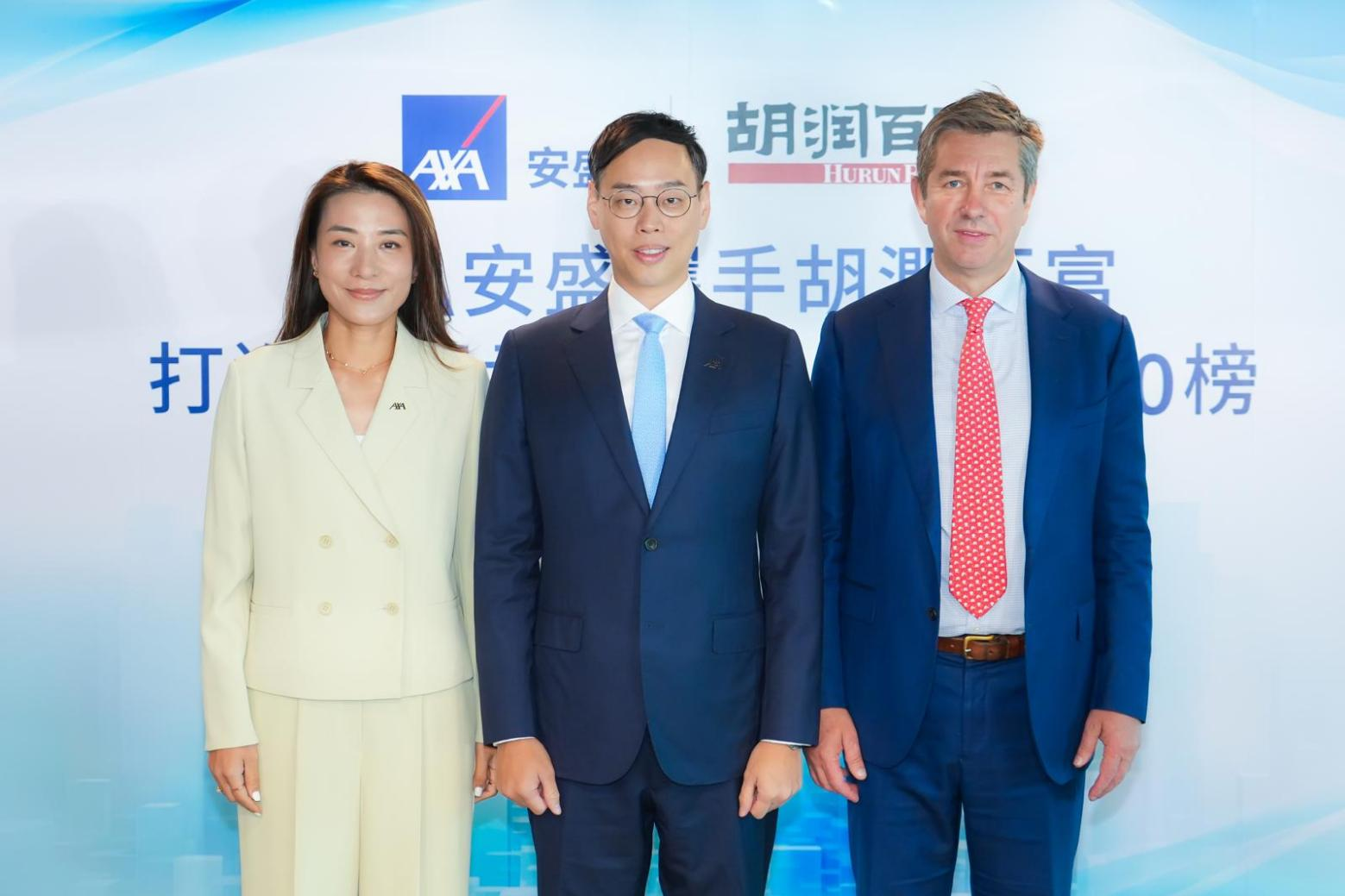
AXA安盛联合胡润百富携手推出 《2026AXA安盛·胡润中国承创企业家TOP50》
《2026AXA安盛·胡润中国承创企业家TOP50》 2026-09-23
-
75+15+10+6|胡润智榜年度法律大奖正式揭晓
9月20日,由胡润百富主办、智合承办的“2026中国企业法商年度峰会·法商共生:新周期下企业发展的韧性与力量”在上海环球港凯悦酒店成功举办。会上,2026胡润智榜·卓越法律服务大奖(律师)、2026胡润智榜·卓越法律服务大奖(律所)、2026胡润智榜·卓越总法律顾问大奖、2026胡润智榜·卓越法务团队大奖正式揭晓。
胡润智榜 2026-09-21
-
397位律师入选!胡润智榜发布20个领域法律服务指南
9月20日,胡润智榜正式发布多领域卓越推荐律师榜单。本次发布涵盖银行与金融、保险、家族财富与传承、税务、公司与商事、商事争议解决、公司治理与合规、证券监管与合规、政府与公共事务、劳动与人事、公司调查与反腐败、商业犯罪与刑事辩护、破产重整与不良资产处置、房地产与建设工程、旅游与酒店、企业出海与全球化服务、能源与自然资源、医疗与生命科学、TMT(文化、娱乐与体育)、ESG与绿色经济等领域。
胡润智榜 2026-09-20
-
腾势D9:登顶胡润《中国新能源MPV品牌TOP10》榜单,中国高端MPV的实力标杆
腾势D9具备“现象级”市场统治力。2023-2025年连续三年拿下中国MPV市场年度销量冠军,一举打破合资品牌对高端MPV市场二十余年的垄断。
腾势D9:登顶胡润《中国新能源MPV品牌TOP10》榜单 2026-09-14
-
2026胡润中国新能源MPV品牌TOP10
胡润研究院今日发布《2026胡润中国新能源MPV品牌TOP10》(Hurun China Top 10 New Energy MPV Brands 2026)。这是胡润研究院首次发布该榜单。
新能源MPV 2026-08-26
-
2026胡润中国轻消费品牌新势力
胡润研究院携手专注于消费领域的产品战略咨询公司知品咨询,今日联合发布《2026胡润中国轻消费品牌新势力》(Hurun China Emerging Consumer Brands 2026 - In Search of the new guard of light consumer brands in China),旨在寻找中国新一代“轻消费”品牌中,已经形成较强商业规模并保持发展势能的代表性品牌。这是胡润研究院首次发布该榜单。
轻消费品牌新势力 2026-08-25
-
2026胡润中国流量新势力百强榜
胡润研究院今日发布《2026胡润中国流量新势力百强榜》(Hurun China Live Streaming Influencers 2026),榜单列出了中国最具价值的流量新势力机构,这是胡润研究院连续第三次发布该榜单。
流量新势力 2026-08-25
-
2026胡润中国品牌榜
胡润研究院今日发布《2026胡润中国品牌榜》(Hurun Most Valuable China Brands 2026)。这是胡润研究院连续第二十一次发布该榜单,继去年首次纳入非中国品牌后,本届榜单继续全面覆盖服务于中国消费者的最具价值品牌。
中国品牌榜 2026-08-24
-
2026胡润百学·中国国际化学校排行榜
胡润百富旗下国际教育平台胡润百学发布《2026胡润百学·中国国际化学校排行榜》(Hurun Education Top International Schools in China 2026),包括《2026胡润百学·中国国际化学校100强》与《2026胡润百学·中国外籍人员子女学校30强》。这是胡润百学第八次发布该榜单。
中国国际化学校 2026-08-04
-
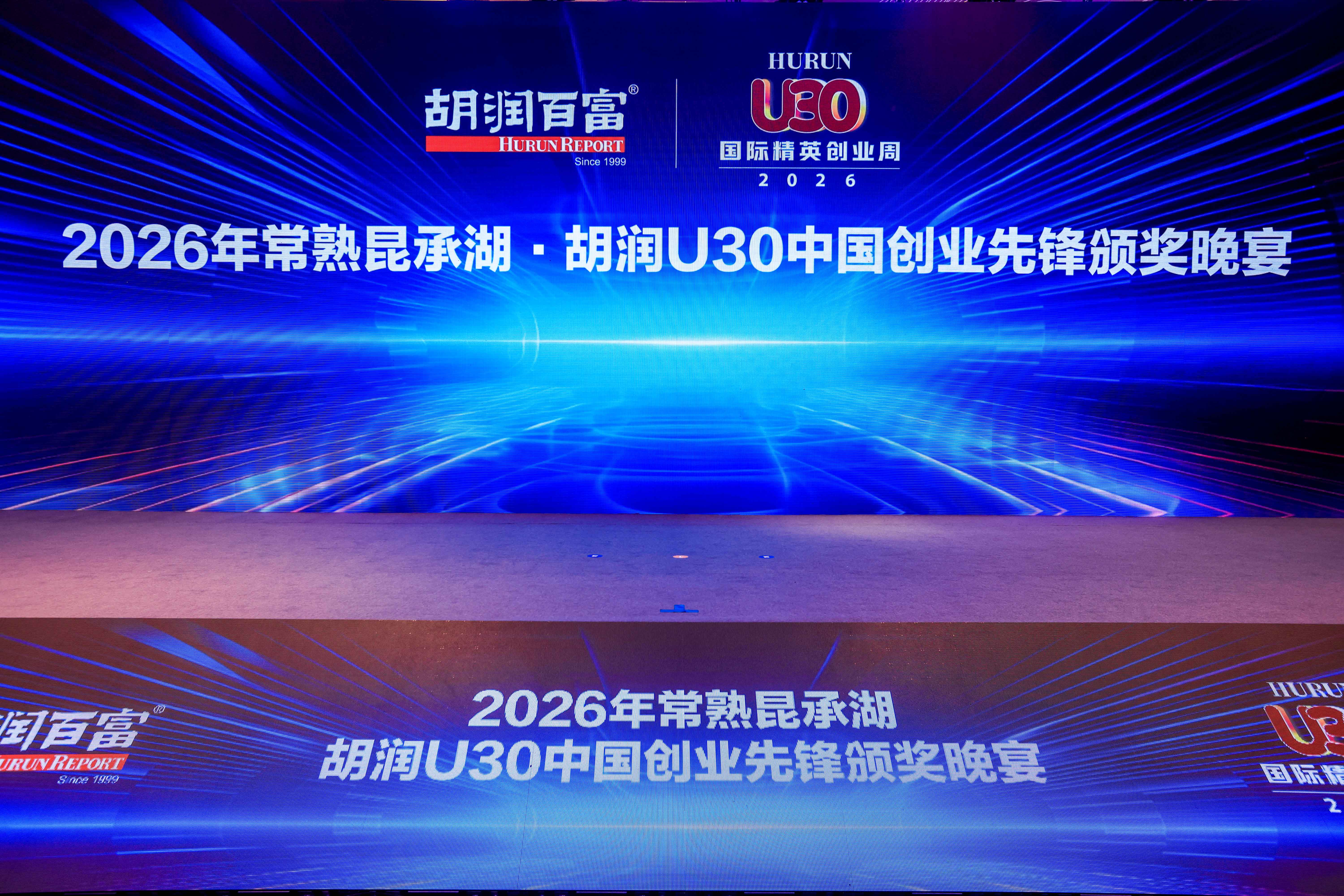
2026年常熟昆承湖·胡润U30中国创业先锋颁奖盛典盛大落幕!
7月16日晚,2026年常熟昆承湖·胡润U30中国创业先锋颁奖盛典在常熟日航酒店拉开帷幕,来自各地、各界的企业家以及青年才俊齐聚一堂,共襄盛宴,共同见证为胡润U30中国创业先锋颁发殊荣的珍贵时刻。
2026年常熟昆承湖·胡润U30中国创业先锋颁奖盛典 2026-07-24
-
2026胡润智榜·大中华区卓越法律服务指南(跨境争议解决、海商海事)
2026年7月20日,胡润智榜正式发布《2026胡润智榜·大中华区卓越法律服务指南(跨境争议解决)》及《2026胡润智榜·大中华区卓越法律服务指南(海商海事)》。两项研究分别覆盖119位和155位律师,累计整理696个跨境争议解决代表性项目样本及795个海商海事代表性项目样本,结合公开政策、市场数据、律师访谈、客户反馈和专家评议,最终遴选出两个领域共60位卓越推荐律师。
法律服务 2026-07-20