61
61
-
2026在中国的美国企业TOP100
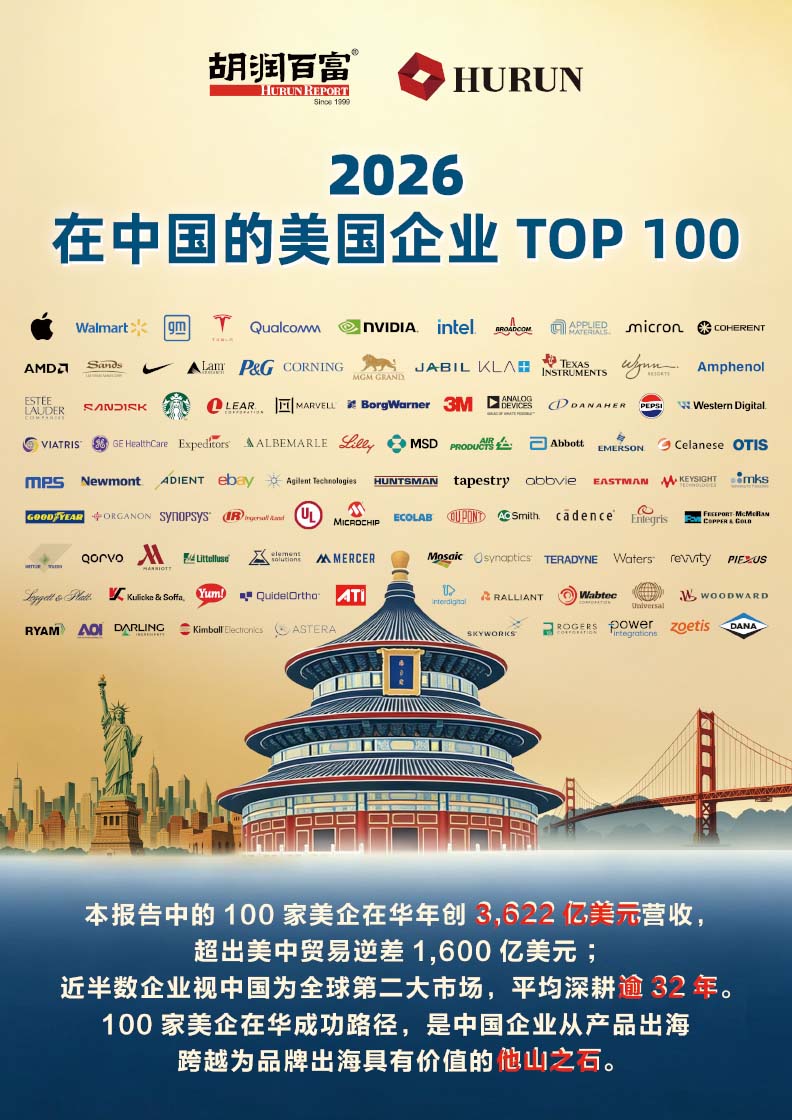
(2026年5月25日,上海)提供有质量的榜单与调研的胡润研究院今日发布《2026胡润在中国的美国企业TOP100》。本报告旨在追踪美国企业在中国市场的表现及其全球营收情况,以此评估中国市场对美国企业的重要性及变化趋势。这是胡润研究院第三次发布美国企业专题报告,也是特朗普总统结束访华行程后,首份系统梳理在华美国企业经营现状与未来预期的独立第三方研究报告。
2026-05-25
-
中信保诚人寿「传家」胡润百富2025中国高净值人群品质养老报告
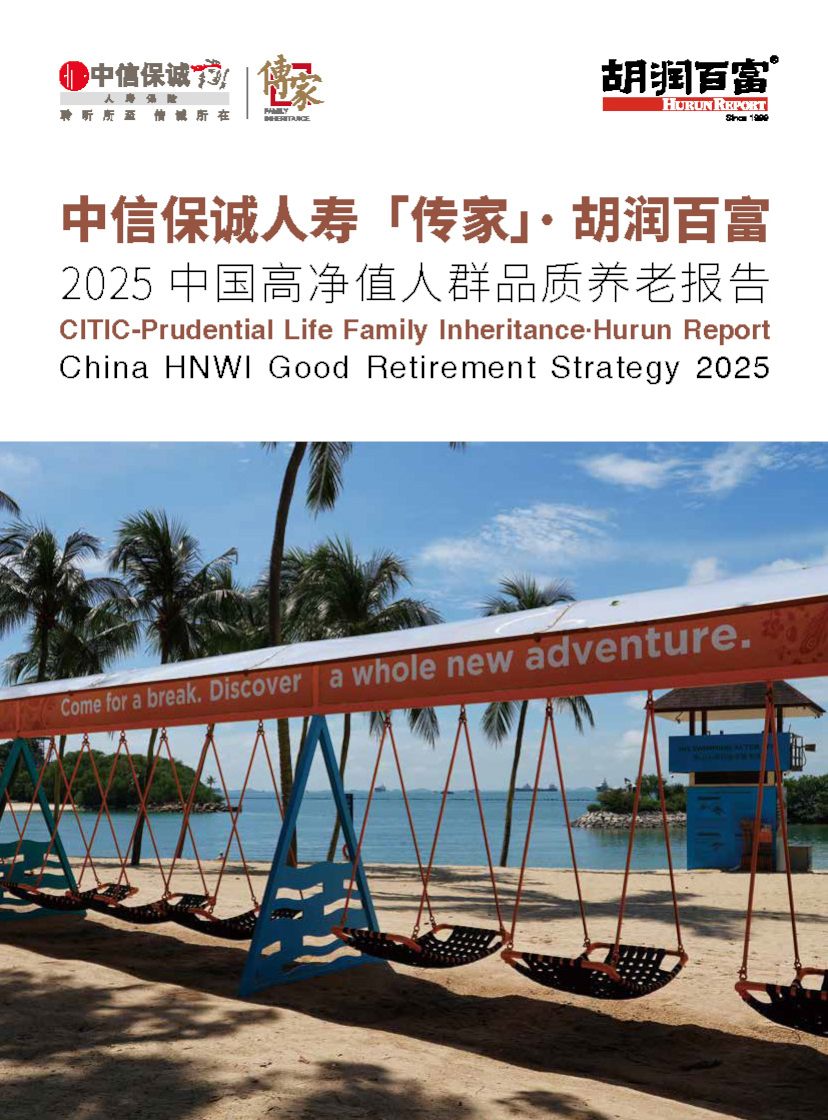
2025年12月18日,中信保诚人寿与胡润百富联合发布《中信保诚人寿「传家」·胡润百富2025中国高净值人群品质养老报告》(CITIC-Prudential Life Family Inheritance· Hurun Report China HNWI Good Retirement Strategy 2025)(以下简称“报告”)。这份80页的报告旨在深入探究在国内经济转型升级、房地产市场深度调整、人口结构面临少子化与老龄化双重困境、AI浪潮汹涌澎湃的时代背景下,中国高净值人群的结构、生活方式、消费特点,以及他们对于品质养老的认知、养老生活现状、养老规划的举措和应对养老挑战的方式,从而为高净值人群制定合理的品质养老规划提供策略参考。
2025-12-18
-

2025中国高净值人群金融投资需求与趋势白皮书
2025年12月4日,万通保险与胡润研究院联合发布《万通保险·胡润百富2025中国高净值人群金融投资需求与趋势白皮书》(YF Life · Hurun Mapping the Investment Landscape for China HNWI 2025)(以下简称为“白皮书”)。白皮书旨在探索中国高净值人群在金融资产配置、境外投资组合构建、金融机构选择以及保险配置需求等方面的最新动向与长期趋势。万通保险作为居香港保险业领先地位的公司,长久致力于为保险资产打开世界级财富版图,致力于让越来越多用户更好管理风险与财富。此次双方合作发布白皮书,既彰显双方在服务高净值人群领域的独特洞察与前瞻视野,同时也切实为这一人群的全球财富管理策略提供具有全局性的参考依据。
2025-12-04
-
2026胡润智榜·大中华区卓越推荐律师(公司并购与重组)
6月11日,胡润智榜正式发布《2026胡润智榜·大中华区卓越法律服务指南(公司并购与重组)》(下称“《指南》”)。这份研究基于对284位公司并购与重组领域律师、633个代表性项目的专项调研,并结合公开政策与市场数据,对当前并购重组法律服务市场作出系统梳理。
卓越推荐律师 2026-06-11
-
2026胡润智榜·大中华区卓越推荐律师(境内外资本市场)
6月10日,胡润智榜正式发布《2026胡润智榜·大中华区卓越法律服务指南(境内外资本市场)》(下称“《指南》”)。研究结合2023年至2025年公开市场项目数据、律师调研与深度访谈及企业评审委员会反馈,对境内外资本市场业务进行了系统梳理。
卓越推荐律师 2026-06-10
-
2026胡润百学·中国中外合作办学机构排行榜
胡润百富旗下国际教育平台胡润百学今日发布《2026胡润百学·中国中外合作办学机构排行榜》(Hurun Education China Joint-Venture Undergraduate Courses 2026),分为《2026胡润百学·中国中外合作大学10强》及《2026胡润百学·中国中外合作学院50强》。时值全国高考前夕,这是胡润百学首次对中国内地高等教育阶段本科层次的中外合作办学机构开展综合评估与排名。此外,本次发布还同步公布了计算机科学与技术、数据科学与大数据、经济和管理三大热门专业的中外合作办学机构专项排名。
中外合作办学机构 2026-06-02
-
2026胡润百学·中国高等职业院校最美校园20强
胡润百富旗下国际教育平台胡润百学,今日发布《2026胡润百学·中国高等职业院校最美校园20强》(Hurun Education China Vocational College Campus 2026),这是胡润百学首次针对高等职业院校推出校园评选榜单。
最美校园 2026-05-29
-
2026胡润智榜·大中华区卓越推荐律师(投资基金与私募股权)
5月27日,胡润智榜正式发布《胡润智榜·大中华区卓越法律服务指南(投资基金与私募股权)》。这份研究基于对358位优秀律师、1353个典型项目的调研,并结合国务院、中国证监会、中国证券投资基金业协会等公开政策与市场数据,对当前投资基金与私募股权法律服务市场作出系统研判。
卓越推荐律师 2026-05-27
-
2026胡润在中国的美国企业TOP100
胡润研究院今日发布《2026胡润在中国的美国企业TOP100》。本报告旨在追踪美国企业在中国市场的表现及其全球营收情况,以此评估中国市场对美国企业的重要性及变化趋势。这是胡润研究院第三次发布美国企业专题报告,也是特朗普总统结束访华行程后,首份系统梳理在华美国企业经营现状与未来预期的独立第三方研究报告。
在中国的美国企业 2026-05-25
-
2026胡润智榜·大中华区卓越推荐律师(数据保护和网络安全)
5月11日,胡润智榜公布《胡润智榜·大中华区卓越法律服务指南(数据保护和网络安全)》(下称“指南”)的核心研究成果,并揭晓该领域35位卓越推荐律师。指南基于2026年累计调研的212位数据保护和网络安全领域优秀律师,整理706个代表性案例,结合国家数据局、国家统计局、国家外汇管理局等公开数据,对国内数据保护和网络安全法律服务市场进行了系统梳理。这份研究希望回答两个企业越来越关心的问题:当数据治理从合规议题延伸到经营议题,企业究竟需要什么样的法律服务;哪些律师真正具备穿透行业、场景和法域复杂度的交付能力。
卓越推荐律师 2026-05-11
-
2025常熟昆承湖·胡润U30中国创业先锋
胡润研究院携手常熟昆承湖,今日联合发布《2025常熟昆承湖·胡润U30中国创业先锋》(Changshu Kuncheng Lake · Hurun China Under30s 2025),旨在寻找中国30岁及以下的创业先锋。这是胡润研究院第九次发布该榜单。今年榜单在“创业先锋”基础上新增“商业精英”类别,以表彰表现突出的企业高管。
U30中国创业先锋 2026-04-28
-
2026胡润智榜·大中华区卓越推荐律师(知识产权)
“2026中国企业法商峰会暨《胡润智榜大中华区卓越法律服务指南(知识产权)》首发仪式”在上海圆满落幕。会上,胡润智榜正式发布了历时数月深度调研完成的《胡润智榜大中华区卓越法律服务指南(知识产权)》(下称“《指南》”)。
大中华区卓越推荐律师 2026-03-31
-
2026胡润亚太AI+创新先锋奖评选启动
2026年,AI不再仅仅是实验室里的算法突破,它已深度嵌入千行百业,成为重塑全球经济格局、社会结构与人类生活方式的核心变量。从大模型的涌现到具身智能的落地,从智慧医疗的精准化到教育场景的个性化变革,我们正见证一场前所未有的智能革命。
2026胡润亚太AI+创新先锋奖 2026-03-26
-
2025胡润中国最具历史文化底蕴品牌榜
胡润研究院今日发布《2025胡润中国最具历史文化底蕴品牌榜》(Hurun Most Successful Chinese Heritage Brands 2025),寻找中国内地最成功的60岁以上品牌。这是胡润研究院连续第六年发布该榜单。
最具历史文化底蕴品牌榜 2026-03-26
-
骏马奔腾迎新春
2026年2月14-15日,胡润百富携手波士顿国际传媒咨询公司共同举办胡润全球华人春晚波士顿站。近300位来自政界、商界、文化界及创新领域的精英人士齐聚一堂,共庆新春。
2026胡润全球春晚波士顿站 2026-03-24
-
共聚伦敦迎马年
2026年2月10日,“胡润英中杰出贡献颁奖盛典暨胡润伦敦春晚”在伦敦洲际酒店盛大举行。200多位来自两国政治、商业、文化等领域的精英人士汇聚一堂,并联合战略合作伙伴Lürssen、阿里云、衡昌烧坊、Shan Arts&Lux,以及品牌合作伙伴GDD Chapuy Flawless Brut (Prestige Cuvée) Champagne、Château l’Hermitage-Lescours Saint-Émilion Grand Cru、Treaty Port Vineyards共迎2026马年新春。
2026胡润英中杰出贡献颁奖盛典暨胡润伦敦马年春晚 2026-03-17